
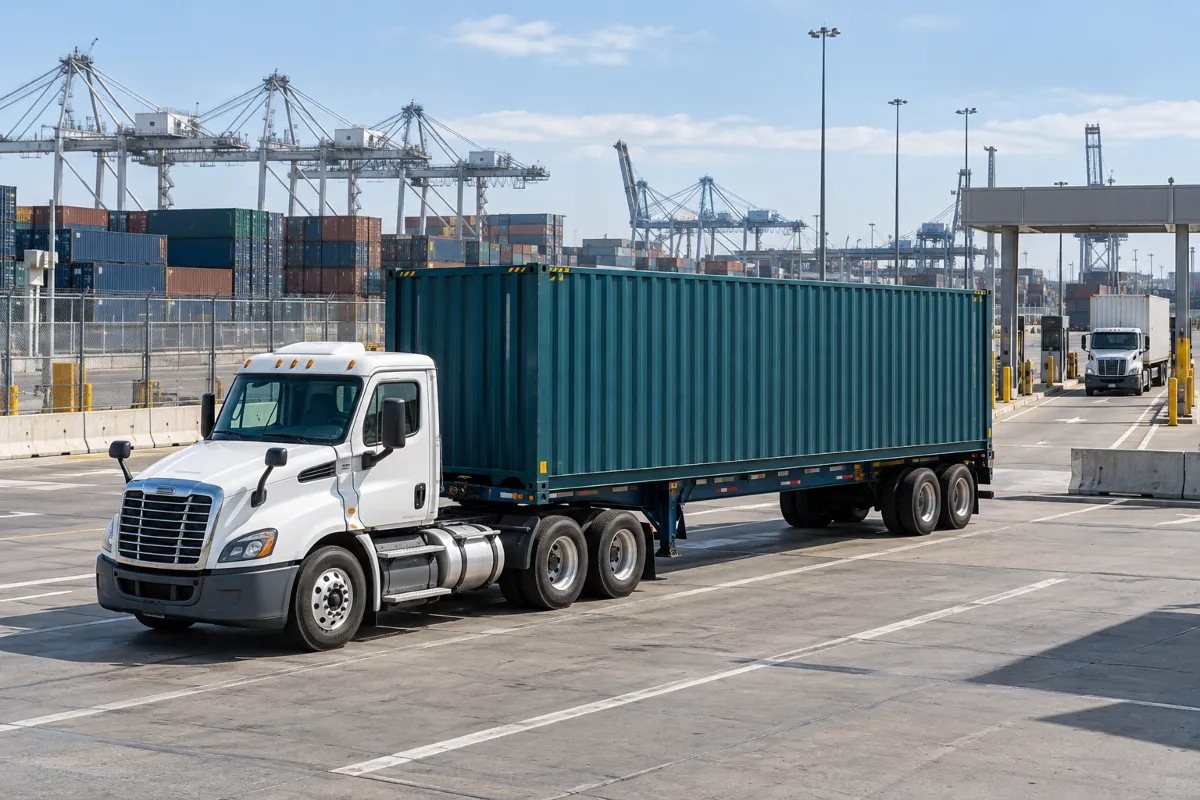
A drayage quote is a base haul plus accessorial charges. The base rate moves the container from the terminal to the delivery point, but the final invoice often depends on chassis, timing, appointments and waiting. Knowing what each line item covers, and what the common add-ons cost, lets you compare quotes on equal terms.
Quick answer: what does drayage cost?
There is no single drayage price. The base haul depends on the port, delivery distance, container size and weight, and accessorials are billed on top. These are rough industry reference points, not ANL quotes:
- Pre-pull: about $150–$300 per container
- Yard storage: about $50–$100 per container per day
- Chassis split: about $100–$250 per occurrence
- Waiting time: about $85–$150 per hour after the free period
- Clean Truck Fund (Los Angeles and Long Beach): $10 per TEU, or $20 per 40-foot container
Rates change and vary by provider, so ask for the current figures in writing.
What Drayage Cost Includes
| Charge | What it covers | What to confirm |
|---|---|---|
| Base Rate | The truck move from the terminal to the delivery point. It depends on the port, delivery distance, container size and cargo weight. | Is the quote per container? Which container size and weight does it cover? |
| Fuel Surcharge | Usually a percentage of the base rate, or a per-mile charge added on top of it. | Is the fuel surcharge already in the quoted total, or billed separately? |
| Chassis Usage | Rental of the trailer frame that carries the container. It is typically billed per day, often with a multi-day minimum. | How many chassis days are included? What is the charge for each additional day? |
| Chassis Split | An extra stop when the chassis and the container must be collected from different locations. Commonly about $100–$250 per occurrence. | Is a split expected at this terminal? What triggers the fee? |
| Port and Terminal Fees | Port programs such as the PierPass Traffic Mitigation Fee and the Clean Truck Fund at Los Angeles and Long Beach. | Which fees are included, and which are passed through at cost? |
| Pre-Pull and Yard Storage | A pre-pull moves the container to the trucker’s yard ahead of delivery. Storage then applies while it waits. Commonly about $150–$300 for the pre-pull plus $50–$100 per day for storage. | Is a pre-pull needed to beat the last free day? What are the separate pre-pull and daily storage charges? |
| Waiting Time | Charged when the driver waits longer than the free time included at the terminal or at the delivery location. Commonly about $85–$150 per hour. | How many free hours are included at pickup and at delivery? What is the hourly rate after that? |
| Overweight and Tri-Axle | Heavy cargo may require a tri-axle chassis or overweight permits, which adds equipment and routing costs. | What is the cargo weight limit in the quote? What happens if the container exceeds it? |
| Dry Run and Failed Appointment | Charges when the truck goes out but cannot pick up or deliver, for example if the receiver cancels, is not ready, or the container is not released. | Who books and confirms the appointment? What counts as a failed attempt or redelivery? |
For current port-program rates, check the PierPass website and the Port of Los Angeles tariff.
Demurrage and Detention Are Separate Charges
Demurrage and detention are not part of the base drayage rate. But a late pickup, a missed delivery appointment or a slow empty return is often what triggers them, and they can cost more than the haul itself.
Demurrage
Demurrage applies when a container stays inside the terminal past its allowed free time. Think of it as storage charged for time on the terminal.
Detention or Per Diem
Detention, also called per diem, applies when the container leaves the terminal but the empty is not returned within the allowed free time. Think of it as equipment rental charged for time outside the terminal.
Free time, rates and billing rules depend on the ocean carrier, the terminal and your shipment terms. Daily charges typically step up the longer a container stays overdue.
Keep the deadlines visible.
A missed appointment, customs hold or chassis shortage can add days of charges to a shipment. Confirm the last free day and the empty-return deadline before you schedule the move.
Why Quotes Differ for the Same Lane
Two quotes for the same route can assume different conditions or leave out different charges. Check these factors before you compare totals.
- Port and terminal: Appointment availability, terminal procedures and chassis supply all affect how smoothly a pickup goes.
- Delivery distance and region: Mileage and local operating conditions drive the base rate.
- Container size and weight: Heavier or larger loads can require different equipment and carry extra charges.
- Live unload or drop: Waiting while the receiver unloads and dropping the container for later pickup use time and equipment differently.
- Season and congestion: Peak demand and port congestion tighten capacity and lengthen waiting time.
Eight Questions to Ask Before Accepting a Quote
- Is the fuel surcharge included?
Confirm whether it is in the total or added separately. - Is chassis rental included, and for how many days?
Ask about the minimum rental period and the daily rate after it. - Are PierPass and Clean Truck Fund charges included?
Find out which port-program fees will be billed separately. - What triggers a chassis split or a pre-pull fee?
Ask whether either is expected for your container. - How much free waiting time is included?
Get the free hours and the hourly rate at both pickup and delivery. - Who books and confirms the delivery appointment?
Make sure the time, location and unloading arrangements are confirmed before the truck is dispatched. - Where and when must the empty container be returned?
Confirm the return location, the deadline and who tracks it. - Who pays demurrage or detention if a hold delays the move?
Get the responsibility in writing before you accept the quote.
How ANL Coordinates Port Pickup
ANL operates in four U.S. markets: Los Angeles, Long Beach, New Jersey and Savannah. We can combine port pickup and drayage with transloading, warehousing and final delivery, so one plan covers the move from terminal to receiver.
To get an accurate drayage quote, send us:
- Arrival port and terminal
- Container size and cargo weight
- Delivery address and unloading requirements
- Expected availability date and any known free-time deadlines
Frequently Asked Questions
What Is a Typical Drayage Cost per Container?
There is no single figure. The base haul depends on the port, distance, container size and weight, and accessorials such as chassis, pre-pull, waiting time and port fees are added on top. Compare the total of all quoted charges, not just the base rate, and ask for current rates in writing.
Is the Chassis Fee Included in Drayage?
Not always. Confirm whether chassis rental is in the quote, how many days it covers and what each additional day costs. Ask about chassis split fees too, since they apply separately at some terminals.
What Is the Difference Between Demurrage and Detention?
Demurrage applies to time a container spends inside the terminal past its free period. Detention applies to time the container spends outside the terminal before the empty is returned. Check the carrier and terminal terms for your shipment.
How Can I Reduce Pre-Pull and Storage Fees?
Clear customs early, confirm the receiver’s appointment before pickup and line up the delivery plan with the container’s last free day. A pre-pull can still be the cheaper option when the terminal’s availability and the receiver’s schedule do not match, because it can cost less than demurrage.
Who Pays Demurrage and Detention if a Customs Hold Delays Pickup?
It depends on the shipment terms and the agreement with your provider. Charges caused by an inspection usually fall to the cargo owner or importer of record. Confirm the responsibility in writing before the shipment arrives.