
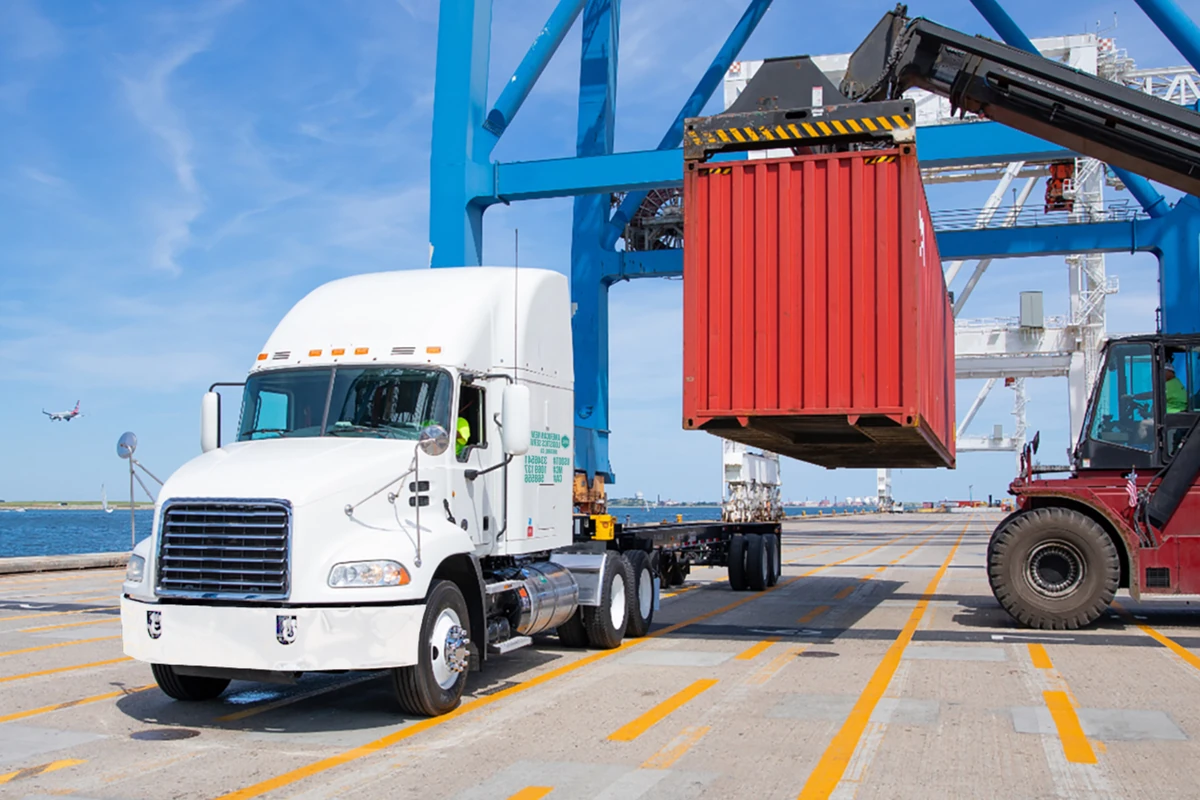
A container can sit at a U.S. port for days even when the ship arrives on time. The delay usually comes from a hold, a missing release, a pickup slot you cannot get, a chassis you cannot find, or a receiver that is not ready. This guide covers seven common causes in the order they tend to appear on an import, with early warning signs and practical ways to avoid each one.
How this list is ordered
We ordered these causes along the container’s journey, from before release to after pickup, not by frequency. Port rules, chassis arrangements and fee schedules change, so confirm current details with your carrier, terminal and drayage provider.
1. Release Holds From Paperwork or Unpaid Charges
- What happens: The container has been discharged but cannot leave because the ocean carrier or terminal has not released it. Common triggers are unpaid freight or other charges, a missing or incorrect delivery order, and documents that do not match.
- Early warning signs: The container still shows as unavailable in the terminal system after discharge, or your forwarder is still waiting on an original document or a payment confirmation.
- How to avoid it: Settle freight and local charges and confirm the delivery order before the vessel arrives. Check that the bill of lading, consignee name and entry details match across every document, and check release status each day from discharge.
- Where ANL helps: ANL plans port pickup around the container’s actual release status, so pickup is scheduled when the container can actually leave.
2. Customs Holds and Exams
Customs can hold a container for document review, a scan or a physical exam, and other agencies may step in for regulated products. Time lost depends on the exam type and how quickly documents and exam-site handling are completed.
| Exam type | What it involves | Commonly cited timeframe |
|---|---|---|
| Document review or scan | Entry and document check, or a non-intrusive scan of the container. | About 1–3 days |
| Tailgate exam | The container is moved to an exam site and opened at the doors for a partial check. | About 3–5 business days |
| Intensive exam | The container is fully unloaded and inspected. | From about one week to much longer |
| Other-agency involvement | Agencies such as the FDA or CPSC may require additional review or documentation. | Varies by product and agency |
- Early warning signs: A customs hold appears on the entry, your broker asks for extra product or certification documents, or the container is routed to an exam site.
- How to avoid it: Make sure product descriptions, quantities, values and certifications are consistent and complete before filing. Food and drug products, children’s products, electronics and battery-powered goods, wood products and dangerous goods commonly involve extra agency requirements, so prepare those documents early.
Do not move a container that is on hold.
A container under hold cannot be picked up until it is released. If an exam requires a move to an exam site, that move is arranged through your customs broker and drayage provider as directed. Exam-related handling, transport and storage charges generally fall to the importer.
3. Terminal Congestion and Operating Limits
- What happens: Crowded yards, equipment or system problems, reduced gate hours and vessel bunching slow container moves, even for containers that are fully released.
- Early warning signs: Terminal notices about gate changes or yard conditions, longer truck turn times, and fewer pickup slots than usual.
- How to avoid it: Follow terminal advisories for your discharge port and build a buffer between release and the last free day. Keep appointment records, gate logs and delay notes so you have evidence if you need to dispute charges later.
4. Pickup Appointments You Cannot Get
Two different appointments cause trouble, and they are often confused. A terminal appointment controls when a truck can collect the container. A warehouse delivery appointment controls when the receiver can accept it. Either one can leave a container waiting.
- What happens: At some terminals, pickup slots run short in peak periods, or an appointment is lost when a driver misses it. The container stays at the terminal and free time keeps running.
- Early warning signs: No slots appear after release, or a slot is booked for a day too close to the last free day.
- How to avoid it: Book as soon as the container is released, confirm the driver and chassis before the slot, and keep a backup plan if the first attempt fails. Tell your drayage provider the last free day so it can prioritize.
- Where ANL helps: ANL coordinates terminal pickup together with onward delivery or transloading, so a missed slot can be rebooked with the rest of the plan in view.
5. Chassis and Truck Capacity Shortages
- What happens: A truck is ready but the right chassis is not available, or no driver can take the move in time.
- Early warning signs: Your drayage provider cannot confirm equipment for the pickup date, or the container needs special equipment such as a tri-axle chassis for heavy cargo.
- How to avoid it: Give your drayage provider the container size, cargo weight and delivery location up front. Ask which chassis pool applies, where the chassis must be returned and whether the cargo needs special equipment.
- Where ANL helps: Chassis availability and equipment requirements are coordinated as part of our port drayage planning process.
6. Misread Free Time and Last Free Day
- What happens: Free time differs by carrier, terminal and shipment terms, and how weekends and holidays count differs too. A wrong assumption about the last free day turns a normal wait into daily charges.
- Early warning signs: The last free day is not in writing, or different people on the shipment are working from different dates.
- How to avoid it: Get the last free day from the carrier or terminal system, share it with everyone on the shipment and plan pickup and delivery backward from it. A pre-pull can help when the delivery schedule does not line up, but it has its own charges. See our drayage cost breakdown for how pre-pull and storage are billed.
7. The Receiver Is Not Ready
- What happens: The container is picked up on time but the warehouse pushes the delivery appointment, rejects the delivery or cannot unload it. The truck waits, or the container goes back to a yard, and per diem and chassis days keep adding up.
- Early warning signs: The receiver has not confirmed a slot, delivery requirements arrive after the container is released, or the unloading window is shorter than the load needs.
- How to avoid it: Confirm the receiving appointment, unloading capacity and delivery requirements before pickup. Decide in advance whether the move is a live unload or a drop.
- Where ANL helps: When a container is released and allowed to move, ANL can route it to a nearby warehouse for unloading, storage and re-dispatch, then arrange final delivery once a new appointment is set.
How Transloading Can Break the Chain of Delays
Transloading moves cargo out of the ocean container at a nearby warehouse and re-dispatches it, so the container and its chassis go back into circulation while the cargo waits for its slot. It helps most when a delivery appointment is delayed or when a container’s size does not suit the receiving site.
- It does not fix holds. A container under customs or carrier hold cannot be moved until it is released.
- It adds handling and storage. Compare those costs with the charges you would otherwise pay.
- It needs warehouse capacity. Plan the transfer before the last free day, not after.
Learn more about our transloading and warehousing services.
Container Countdown: What to Check and When
| Stage | What to check | Why it matters |
|---|---|---|
| Before the vessel arrives | Charges settled, delivery order, customs entry status, delivery plan and receiving appointment. | Prevents release and customs holds. |
| At discharge | Terminal availability, holds and the last free day. | Free time starts running. |
| Once released | Book the terminal appointment, confirm the driver and chassis. | Slots and equipment run out first. |
| Pickup day | Gate status, container weight against equipment, cut-off times. | Avoids wasted trips and dry runs. |
| At delivery | Receiver ready, unloading window, live unload or drop. | Avoids redelivery and waiting charges. |
| After unloading | Empty return location and deadline. | Avoids detention (per diem). |
Who Is Responsible for What
| Role | Typically responsible for |
|---|---|
| Importer or consignee | Accurate product information, payment of charges, the receiving appointment and the delivery plan. |
| Customs broker | Entry filing, responding to customs requests and coordinating exam instructions. |
| Freight forwarder or NVOCC | Booking, documents, release coordination and shipment visibility. |
| Drayage provider | Terminal appointment, driver, chassis, pickup, delivery and empty return. |
| Receiving warehouse | Confirming the slot, unloading capacity and delivery requirements. |
How the Same Problem Looks Different by Port
| Port | Pickup process | Chassis | What to watch |
|---|---|---|---|
| Los Angeles / Long Beach | Terminals use their own appointment systems, and slot rules differ by terminal. | The shared Pool of Pools arrangement ended on June 30, 2026. Chassis providers now run separate pools with their own return and billing rules. See the DCLI pool FAQ. | Multi-terminal appointment planning and chassis source. |
| New York / New Jersey | Appointment rules differ by terminal. | Several chassis providers and off-terminal depots operate in the port. | Terminal-specific rules, chassis pickup and return locations, and empty return. |
| Savannah | Garden City relies on a PIN-based gate process rather than the timed slots used at many other ports. Georgia Ports Authority has described PINs as valid for 72 hours (GPA announcement, May 2025). | Regional chassis pools apply, and special equipment such as tri-axle chassis may need separate arrangement. | PIN validity, gate cut-off times and equipment match. |
Seven Questions to Ask Before Your Container Arrives
- Are all freight and local charges settled, and is the delivery order ready?
This is what unlocks release at the terminal. - Are product descriptions, values and certifications complete and consistent?
Missing or mismatched information is a common reason for customs questions. - Which terminal advisories apply to our discharge port this week?
Build a buffer if yard or gate conditions are tight. - Who books the terminal appointment, and what is the backup plan?
Make sure someone owns it from the moment of release. - Is the right chassis available, and where must it be returned?
Share container size and cargo weight early. - What is the last free day, and is it confirmed in writing?
Plan pickup and delivery backward from that date. - Is the receiver ready, and is there a plan B if the appointment moves?
Decide in advance whether transloading is an option.
How ANL Helps Reduce Port Delays
ANL connects port pickup, transloading, warehousing and final delivery, so a delay at one stage does not have to stall the whole delivery plan. We work with importers, forwarders and 3PLs at our U.S. gateways.
To plan a pickup, send us the arrival port and terminal, container size, cargo weight, delivery address, the last free day if known and any unloading requirements.
Talk to Our Team About Your Container
Frequently Asked Questions
How Long Can a Container Stay at a Port Before Fees Start?
It depends on the carrier, terminal and shipment terms. Free time varies, and how weekends and holidays count can differ. Get the last free day in writing from the carrier or terminal system and plan from that date.
What Is the Difference Between a Customs Hold and a Carrier Hold?
A customs hold comes from a government agency reviewing the entry or the cargo. A carrier or terminal hold comes from the ocean carrier or terminal, often because of unpaid charges or missing documents. Both stop pickup until they are cleared, but they are cleared by different parties.
Can I Move My Container to a Warehouse if the Delivery Appointment Is Delayed?
Only once the container is released and allowed to move. If it is, transloading at a nearby warehouse can free the container and chassis while the cargo waits for a new slot. It adds handling and storage costs, so compare them with the charges you would otherwise pay.
Does a Pre-Pull Always Avoid Demurrage?
Not always. A pre-pull can protect against terminal storage charges, but it has its own pre-pull and yard storage costs, and it does not help if the container is still on hold. See our drayage cost breakdown for how these charges work.
Who Pays if a Customs Exam Delays My Container?
Exam handling, transport and storage charges generally fall to the importer or cargo owner, but the exact responsibility depends on your shipment terms and agreements. Confirm it in writing before the shipment arrives.