
Orders and Warehouse Stock Fall Out of Sync
Manual order transfer and unclear inventory updates make it harder to allocate stock and release the right goods.
Store inventory in the U.S. and connect picking, packing and shipping to keep your customer orders moving.

Growing order volume needs dependable stock records, repeatable warehouse work and a clear carrier handoff.
Manual order transfer and unclear inventory updates make it harder to allocate stock and release the right goods.
Medium and large products require appropriate storage, packing and a parcel-versus-freight dispatch plan.
Returned items may need inspection, photographs, a new label or replacement packaging before the next decision.
Use B2B and B2C warehousing and distribution for e-commerce, traditional export and manufacturing-led businesses. Combine storage and individual-order fulfillment with labeling, packaging changes, inspection or returns handling as required.
Inbound goods are unloaded, counted and assigned to warehouse locations, with inventory reporting matched to your setup.
Orders received through your agreed OMS/API or ERP connection move into picking, packing and the selected parcel or freight service.
Add local returns, relabeling, replacement packaging, photographs or inspection to suit your products and returns process.
Automatic order transfer and ERP connections support systems including Mabang, Lingxing, Dianxiaomi and Yicang.
Self-operated warehouses and stable carrier accounts connect stock locations with outbound collection.
The quality-control team monitors inventory availability, dispatch timing and carrier tracking updates.
Chinese-speaking warehouse management supports customized inspection, relabeling, packing changes and photographs.
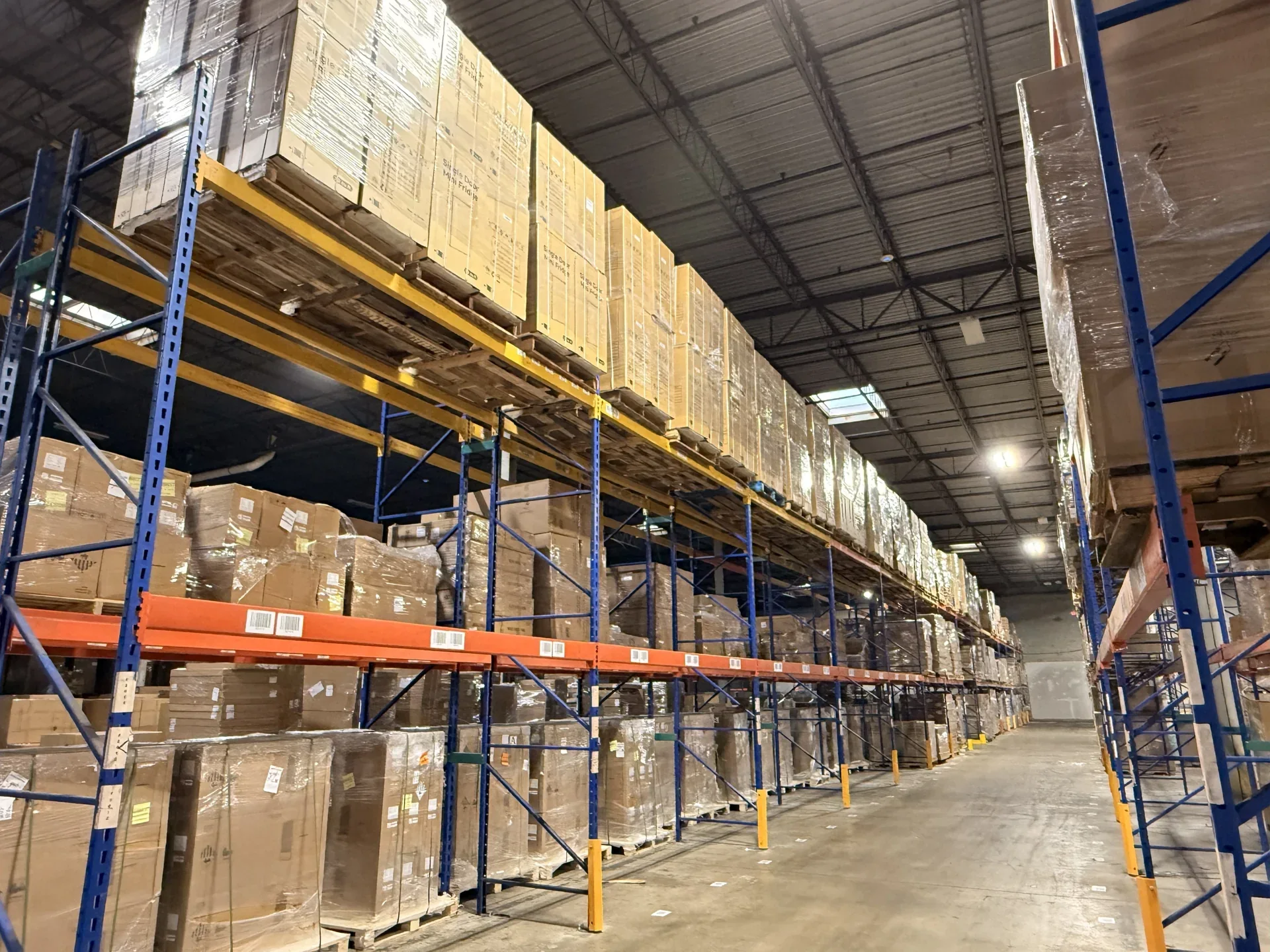
Medium and bulky fulfillment orders
Daily processing volume for medium and bulky e-commerce products.
Shipping accuracy
Order-dispatch accuracy across the warehouse operation.
Inventory accuracy
Stock-record accuracy across the warehouse operation.
These figures relate to warehouse operations. Your fulfillment setup is tailored to product handling, order transfer and dispatch needs.
Share your sales channels, order volumes, product sizes and packing needs. We’ll review how orders reach the warehouse, how stock is reported and when shipments need to leave. Platform connections, returns, custom packing and order cutoffs are tailored to the setup agreed for your business.
Move from inbound receiving and stock storage to order processing, packing and carrier collection.
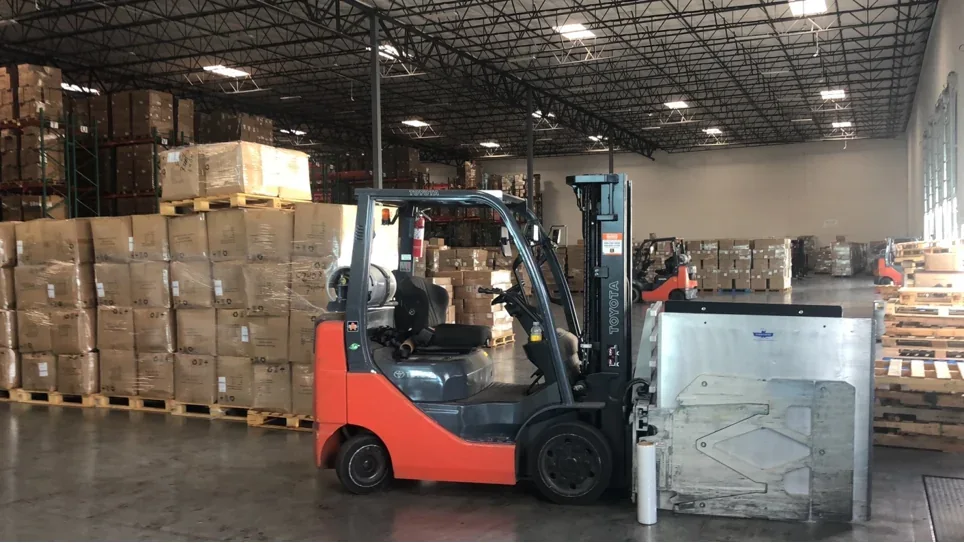
Your inbound shipment is received and unloaded at the warehouse.
Goods are counted, sorted and placed in their assigned inventory locations.

Your orders reach the warehouse through the OMS/API, ERP or other connection agreed during setup.
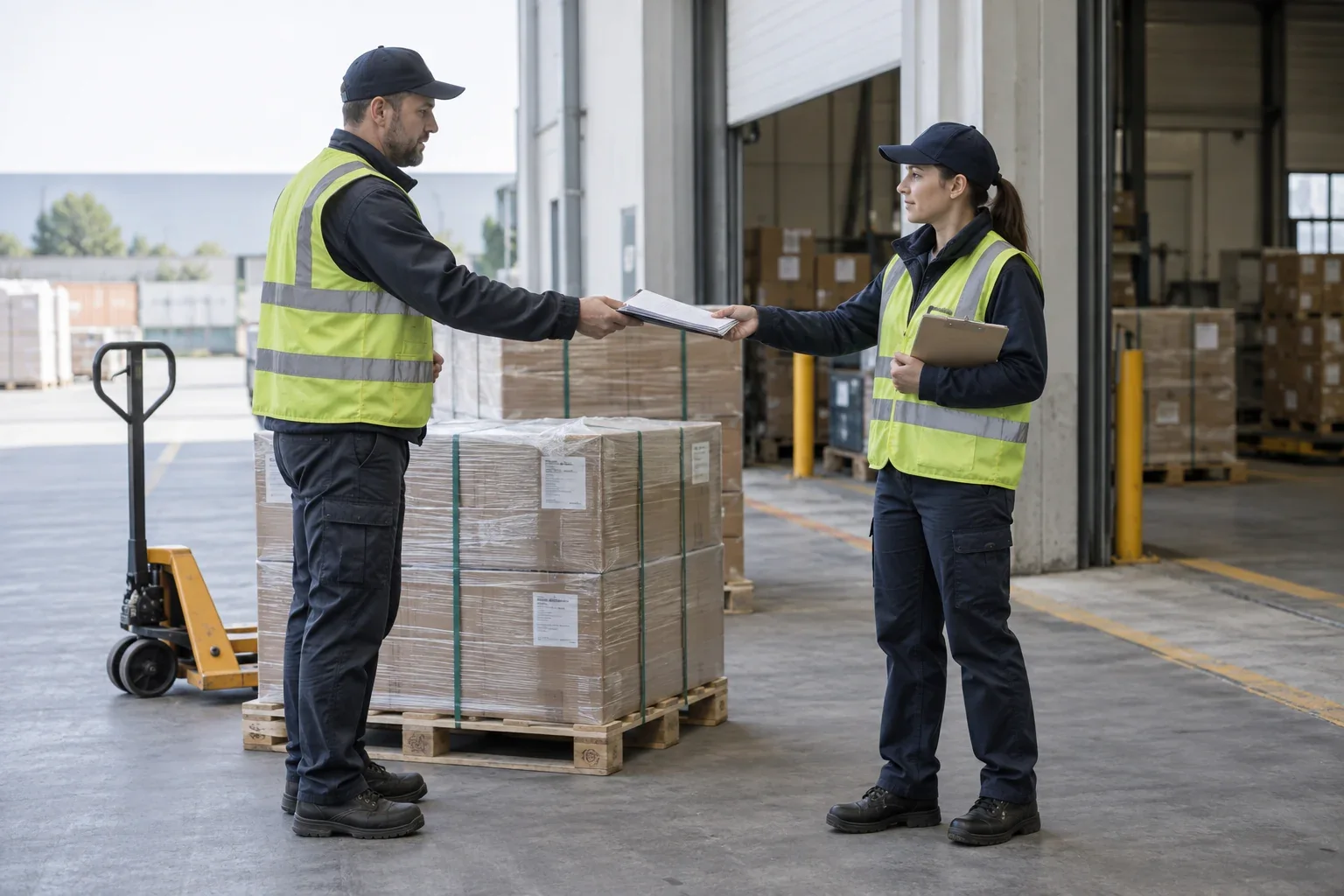
Items are picked and packed using your agreed packaging and label instructions.

Packed orders are handed to the selected parcel or trucking service, with tracking updates available for follow-up.
Share your SKU count, expected orders, packed dimensions and weights, stock volume and sales channels.